
The Best Open-Air Gym in Qatar Has No Air Conditioning
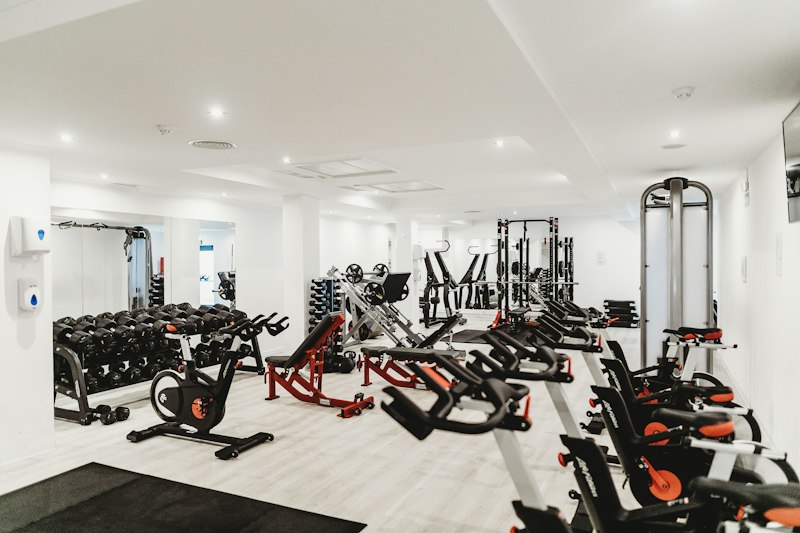
Most fitness routines in Doha fall into a familiar, climate-controlled rut. You park in the basement, run sprints beneath neon strip lights in West Bay, or circle the manicured indoor track at Aspire Dome. There is nothing wrong with that routine during August when the ambient temperature pushes past 45°C. But from November through April, staying locked inside is a waste of Qatar's most brutal natural training ground.
South of Al Wakrah, past the industrial perimeter of Mesaieed, the asphalt ends and the Arabian dunes begin. Most visitors see the desert through the tinted window of a Land Cruiser during a commercial dune-bashing tour. That is tourism. If you strip away the passenger seat, the dunes around Khor Al Adaid (the Inland Sea) and Sealine offer one of the most demanding physical environments you can subject your body to. Sand absorbs kinetic energy. It demands double the muscular output of tarmac or turf. If you want genuine conditioning, stability, and lung capacity, you head south.
The Biomechanics of Sand: Why the Desert Breaks You
Run 100 metres on an Olympic track and your foot strikes a rigid surface that returns energy into your stride. Run 100 metres up a 40-degree sand dune near Mesaieed, and half of your downward force disappears into the shifting slipface. You slide back a third of a step with every stride you take.
Training on loose sand does three specific things to your physiology:
- Massive metabolic expenditure: Research indicates moving across soft sand requires roughly 1.6 to 2.5 times more mechanical work than moving across firm ground. Your heart rate spikes instantly.
- Deep stabiliser recruitment: The unpredictable surface forces the peroneals, tibialis anterior, and the deep rotators of your hips to fire continuously to keep you upright.
- Zero-impact joint loading: While the metabolic toll is severe, the ground reaction forces on knees, hips, and lower back are substantially lower than road running, sparing your cartilage while hammering your aerobic engine.
If your baseline conditioning is soft, you will suffer out here. You need solid functional strength and engine work before attempting high-volume dune sessions. High-output functional circuits like those at View Pulso Fitness on Fitseeka → provide the exact posterior-chain strength and lactate tolerance you need so your calves and lower back do not seize twenty minutes into your first dune ascent.
Sandboarding: The Unforgiving Core and Quad Burn
Sandboarding looks effortless on social media: strap into a waxed board, carve down a golden crest, spray fine sand into the Gulf breeze. What the short videos leave out is the return trip. There are no chairlifts at Khor Al Adaid.
Carving down a slipface requires an aggressive, low-centre-of-gravity athletic stance. Your quads, glutes, and core are under sustained isometric tension to counteract drag and variable sand density. But the real workout is the climb back to the ridge. You unstrap, pick up a board that weighs three to five kilograms, and hike up an incline where your feet sink ankle-deep with every lunge.
Ten ascents of a mid-sized dune provide more sheer cardiovascular and unilateral leg burn than an hour on a StairMaster. If you want to prepare your legs for the repeated rotational forces and deep knee flexion, you should build baseline structural strength through targeted leg presses, squats, and unilateral step-ups at View MY GYM Sports on Fitseeka → before you strap in.
Fat Biking and Dune Cycling: High Wattage, Zero Momentum
Tackling desert terrain on two wheels requires specialised gear: a fat bike with 4- to 5-inch tyres aired down to roughly 5 to 8 PSI. Ride a standard mountain bike onto the dunes and you will bury the front wheel within three meters and throw yourself over the handlebars.
Even with flotation-width tyres, fat biking over Qatar's inland terrain is a test of sheer stubbornness. There is no coasting. The moment you ease off the pedals, the rolling resistance of loose desert sand brings the bike to a dead stop. You have to maintain high cadence and constant torque output. It demands total core bracing to keep the front wheel tracking straight, taxing your shoulders, lats, and triceps almost as much as your quads.
For riders used to flat cruising along the Lusail Marina promenade or the Olympic Cycling Track, this is a shock to the system. You will generate more raw wattage over five kilometres in the dunes than in twenty kilometres of flat road riding.
Survival Rules: Hydration, Timing, and Recovery
The desert does not care about your personal bests, and heat illness is an objective hazard in the Gulf even in milder months. If you treat the desert like an indoor gym in Msheireb or The Pearl, you will get into trouble fast. Follow these rules without compromise:
- Respect the daylight window: Never train in the open desert between 10:00 AM and 3:00 PM. Schedule your arrival for dawn (first light until 8:30 AM) or catch the late afternoon window from 3:30 PM until sunset.
- Electrolytes over pure water: Drinking three litres of plain bottled water while sweating heavily under dry desert winds will flush your sodium levels, leading directly to debilitating cramping or hyponatremia. Mix oral rehydration salts into your pack.
- Protect the eyes and airways: Fine desert dust destroys vision and irritates lungs during high-intensity breathing. Bring polarised, wraparound eyewear and a breathable gaiter if the wind picks up over 15 knots.
- Never go solo: Always take two vehicles if driving deep off-road, carry a tow strap, and ensure someone in Doha knows your exact GPS coordinates. Mobile phone coverage can drop suddenly in the dune bowls near the Saudi border.
Bringing Desert Work Capacity Back to the City
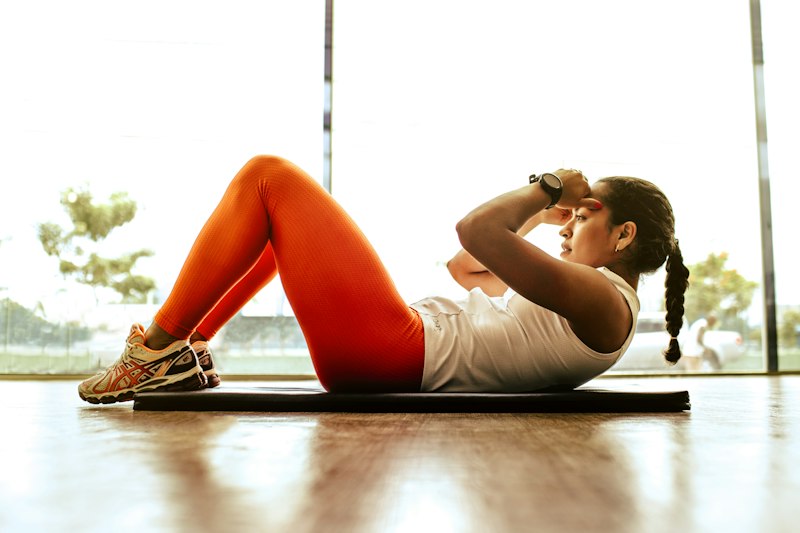
You cannot train in the dunes every day. Between the commute down the Al Wakrah bypass and vehicle recovery gear, a desert session is a weekend commitment. The smart play is building your foundation during the week so you can dominate the dunes on Saturday morning.
High-intensity functional conditioning like the timed station work at View F45 Training Sports City on Fitseeka → mirrors the intermittent sprint-and-recover nature of dune hiking. It builds the VO2 max you need to scale sheer sand walls without stopping to catch your breath every thirty seconds.
When you finish a brutal weekend in the dunes, do not underestimate the recovery process. Fine sand, persistent sun, and heavy eccentric loading take a toll on connective tissue. Dedicated mobility work, targeted tissue release, and hot/cold water therapy like the facilities at the View Mandarin Oriental Fitness Center on Fitseeka → are essential to reset your nervous system and flush metabolic waste out of your legs before your regular workweek begins.
The Bottom Line
Air-conditioned health clubs in West Bay and Lusail are great for routine maintenance. But real physical capability is tested when you take away the flat floors, the mirrors, and the water coolers. Qatar has hundreds of square kilometres of natural resistance training waiting just past the southern blacktop. Fill your hydration bladder, drop your tyre pressures, and go find out what your legs are actually made of.