The Bedouin Engine, Reimagined for Elite Sport
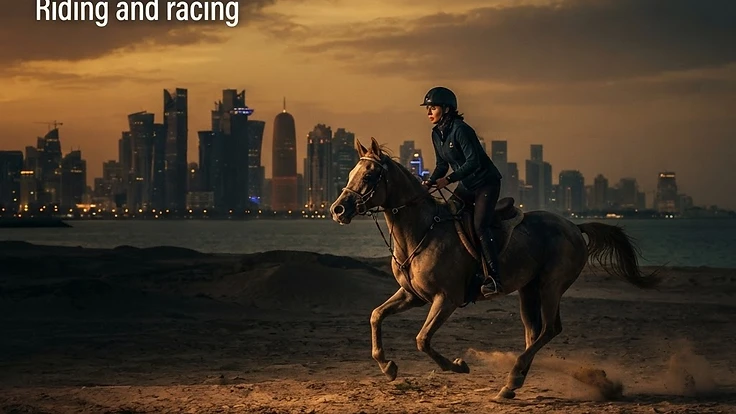
In Qatar, horses are not a weekend country hobby or a passive spectator luxury. They represent foundational cultural identity. Before the towers went up across West Bay and Lusail, Bedouin survival across the peninsula depended on the desert hardiness, stamina, and loyalty of the Arabian horse breed. Today, that connection has evolved into one of the most comprehensively funded and technically advanced equestrian infrastructures on earth.
Whether you want to learn to ride from scratch, watch elite show jumping, or attend a thoroughbred evening meet, Doha offers access that few cities can match. But like everything in Qatar, doing it right requires local knowledge: knowing where the academies actually operate, understanding seasonal timing, and preparing your body for the physical demands of riding in the Gulf climate.
Al Shaqab: The Epicentre of Qatari Equitation
Located in the heart of Education City, Al Shaqab spans nearly one million square metres. Founded in 1992 by His Highness The Father Amir Sheikh Hamad Bin Khalifa Al Thani, the facility was designed to preserve purebred Arabian bloodlines and establish Qatar as an international equine powerhouse. With air-conditioned stabling, equine hydrotherapy pools, and the massive Longines Arena, it feels more like an Olympic village for horses than a traditional stable.
For residents, Al Shaqab is not merely a monument to look at from the perimeter road. The Al Shaqab Equine Education department runs structured riding academies for children, youth, and adults. Instruction follows classical European and international standards across dressage and show jumping, but waitlists are notorious. Adult beginner terms fill rapidly when registration opens, typically ahead of the cooler autumn semester. If you intend to take up regular lessons here, monitoring their academic intake windows well ahead of time is mandatory.
Qatar Racing & Equestrian Club: Thoroughbred and Purebred Racing
Head southwest from Education City toward Al Rayyan along Al Furousiya Street, and you arrive at the Qatar Racing & Equestrian Club (QREC). If Al Shaqab is about breeding, classical horsemanship, and jumping, QREC is about pure speed.
QREC oversees both Purebred Arabian and Thoroughbred flat racing across its 1,800-metre turf and 1,400-metre sand tracks. Between October and May, race cards run almost every Wednesday and Thursday evening under powerful floodlights. Entry is accessible to the public, the grandstand seats over a thousand spectators, and the atmosphere on marquee nights—especially during the multi-day H.H. The Amir Sword Festival in February—draws leading international jockeys and trainers.
Beyond the Arena: Endurance Riding in the Peninsula
Track racing and show jumping get the glossy media coverage, but endurance riding remains the grass-roots sporting obsession across Qatar. Regulated by the Qatar Endurance Committee, long-distance competitions range from 40-kilometre qualifier circuits to gruelling 120-kilometre competitive desert marathons, frequently run through desert staging courses out toward Sealine, Al Khor, or Ras Laffan.
Endurance racing tests rider pacing and deep veterinary monitoring. Horses are pulled into mandatory vet gates every 20 to 30 kilometres; if a mount's heart rate does not drop below required thresholds within a strict recovery window, horse and rider are disqualified on the spot. It is an intense test of cardiovascular stamina for both species, demanding total tactical restraint rather than reckless speed.
The Physical Reality: Conditioning to Ride
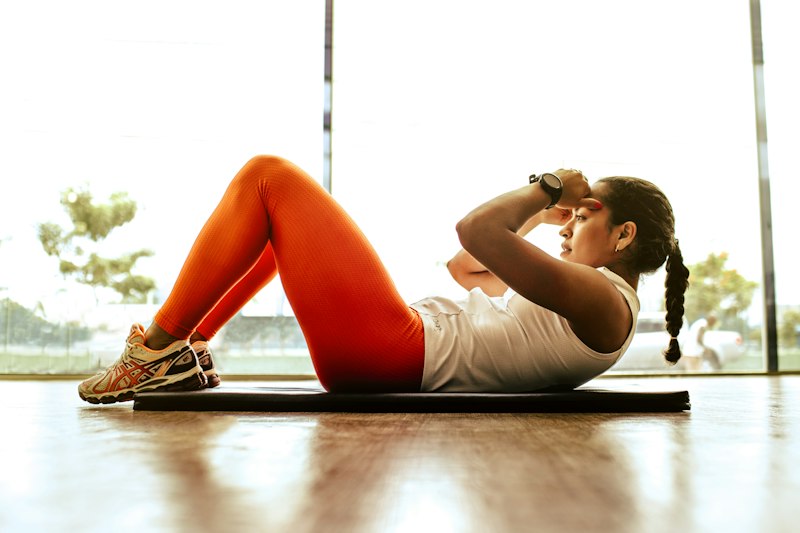
Riders from overseas or absolute beginners often underestimate the brutal physical toll of equestrian sport. Riding is not sitting; it is active biomechanical stabilisation against an 500-kilogram animal moving beneath you. An hour of posting trot, two-point positioning in the stirrups, and maintaining core alignment will ruthlessly expose weak hip flexors, tight adductors, and inadequate posterior chain stability.
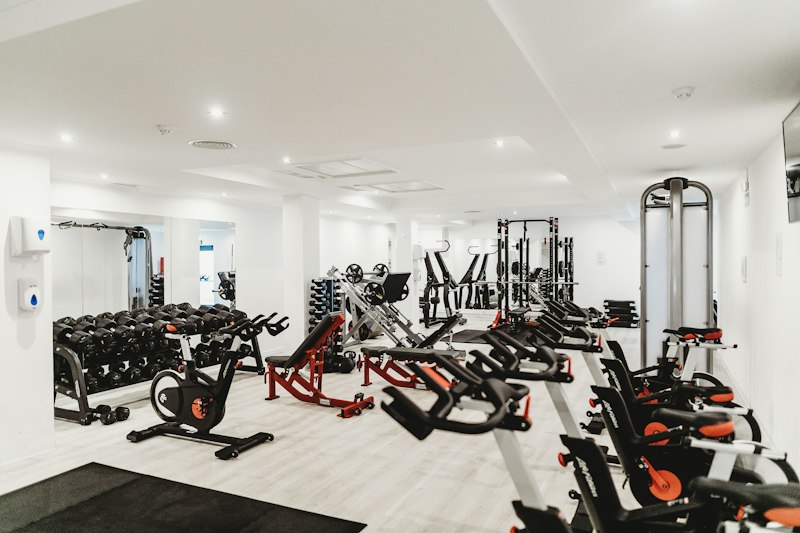
If you are riding only once or twice a week, you need targeted gym work to protect your lower back and maintain proper equitation posture. You can build that foundational hip strength, rotational stability, and conditioning at venues like View MY GYM Sports on Fitseeka →, where compound strength work directly transfers to saddle control. Similarly, training at high athletic outputs via circuit conditioning—such as classes at View F45 Training Sports City on Fitseeka → over in Aspire Zone—prepares your cardiovascular system for the sudden spikes in heart rate that come when guiding a spirited horse over jump lines.
Balance and lateral hip control are equally critical. Cross-training with functional reformer classes or targeted core sessions at View Pulso Fitness on Fitseeka → will fix pelvic imbalances that cause riders to lean into one stirrup. For those based around Downtown Doha or Msheireb seeking focused core stability and mobility recovery, the private studio setups at View Mandarin Oriental Fitness Center on Fitseeka → provide the precise physical therapy and Pilates equipment needed to release chronically tight equestrians.
Managing the Doha Climate in the Saddle
Geography and weather dictate the calendar. While Al Shaqab boasts climate-controlled indoor arenas that operate year-round, outdoor schooling rings and desert trails run on a strict seasonal clock.
- November to April: The prime riding season. Outdoor hacking, competitive show circuits at the Qatar Equestrian Federation (QEF) grounds in Al Rayyan, and evening endurance rides take full advantage of comfortable Gulf weather.
- May to October: High-summer protocols take effect. Outdoor work shifts exclusively to early dawn (5:00 AM to 7:00 AM) or after sunset under arena floodlights. High humidity places severe stress on horse hydration; lesson lengths are curtailed, and training emphasis shifts to indoor arenas or mechanical horse simulators.
- Hydration and gear: Technical breeches made from lightweight, moisture-wicking synthetics are non-negotiable. Standard European heavy cotton jodhpurs will be miserable within fifteen minutes in a Doha May schooling session.
How to Start: Practical Next Steps
If you live in Doha and want to transition from spectator to active rider, avoid waiting for the weather to cool down to begin your preparation:
- Book stable assessments early: Look beyond Al Shaqab. Investigate the Qatar Equestrian Federation Riding School, Al Samriya Riding School near Al Shahaniya, or community yards in Umm Salal Muhammad. Most facilities require an initial 30-minute private assessment before placing you in a class.
- Spectate first: Drop into QREC on a Thursday evening during the winter calendar or catch the Longines Global Champions Tour when CHI Al Shaqab stops in Doha. Watching top-tier riders gives you an immediate education in tempo, control, and equine mechanics.
- Get saddle-fit beforehand: Build your adductor endurance, pelvic control, and thoracic spine mobility before stepping into a stirrup. The horse will feel your lack of balance the second you pick up the reins.
Equestrian sport in Qatar is not an isolated elite pastime. It is a working cultural pipeline backed by unmatched modern infrastructure. If you put in the physical preparation, Doha gives you access to a world-class riding community found nowhere else.