The Doha Personal Training Trap
Doha's fitness scene is saturated with personal trainers. Walk through any commercial gym in West Bay, scroll through local fitness Instagram feeds, or look around compound clubhouses in Lusail and Al Waab, and you will find hundreds of people marketing one-on-one coaching. Some are world-class professionals who understand biomechanics, program design, and how to periodise training around Qatar's intense climate. Many others are simply gym enthusiasts with good lighting, rented space, and a 48-hour online certificate.
Personal training in Doha is an investment. Rates regularly fluctuate between QAR 250 and QAR 600 per single session, with monthly packages easily running into thousands of riyals. If you are going to invest that kind of capital into your health, you cannot afford to base your decision on aesthetic photos or vague promises of transformation. You need to know what real qualifications look like, how training logistics work across different neighbourhoods, and how to spot red flags before you hand over your card.
1. Verify Real Credentials (Not Just an Instagram Bio)
Anyone can call themselves a "coach" on social media. A credible personal trainer in Qatar must have accredited, verifiable education. Reputable institutions in the fitness industry demand rigorous practical and theoretical examinations covering anatomy, kinesiology, and exercise programming.
Look for trainers credentialed through internationally recognised bodies such as the National Academy of Sports Medicine (NASM), the American Council on Exercise (ACE), the National Strength and Conditioning Association (NSCA), or equivalent Level 3/Level 4 certifications recognised by international registers like REPs (Register of Exercise Professionals) or EuropeActive. Local platforms such as REPs Qatar actively register certified professionals across the country.
Do not be shy about asking direct questions:
- Where did you obtain your certification, and is it currently active?
- Do you hold an up-to-date First Aid and CPR/AED certification?
- What continuing professional education have you completed over the past two years?
If a coach deflects or gets defensive when asked about their credentials, move on immediately. Top-tier professionals are proud of their education and will show you their documentation without hesitation.
2. Facility Access vs. Freelance Chaos
One of the most practical details to navigate in Doha is where your sessions actually happen. The training environment dictates what equipment you have access to, how focused your sessions will be, and whether you run into legal or access issues.
In Qatar, personal training generally falls into three models:
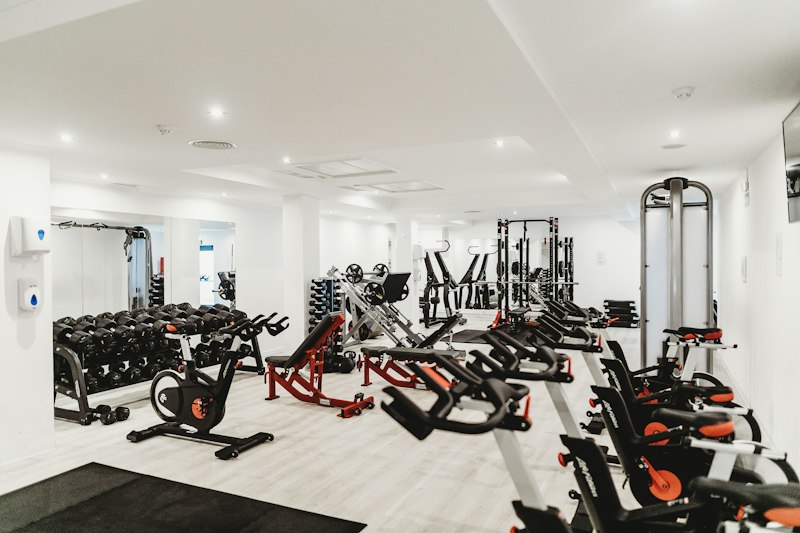
- Dedicated Performance Facilities and Studios: Working with coaches based inside established gyms gives you reliable access to high-spec strength equipment, turf, and recovery zones. For example, athletes looking for high-output conditioning, Hyrox prep, or structured strength blocks often head to performance hubs like View Pulso Fitness on Fitseeka →. If you thrive on group dynamics backed by structured functional protocols, specialised hubs like View F45 Training Sports City on Fitseeka → near Aspire Zone provide structured coaching without the overhead of standalone hourly rates.
- Luxury Wellness & Hotel Gyms: In districts like Msheireb Downtown and West Bay, hotel fitness clubs offer elite, low-density environments. Facilities like the View Mandarin Oriental Fitness Center on Fitseeka → cater to those who require strict privacy, bespoke functional assessments, and premium amenities alongside their coaching.
- Compound & In-Home Freelancers: Having a trainer come to your compound gym in The Pearl, Lusail, or Al Wakrah is undeniably convenient. However, confirm whether your residential compound permits outside commercial trainers. Ensure the trainer actually brings necessary equipment if your facility has only a couple of treadmills and a rusty dumbbell rack.
3. Match the Specialist to Your Exact Goal
General fitness is fine for beginners, but if you have a specific target, a generalist trainer will slow your progress down. The demands of running a sub-4-hour Doha Marathon, rehabbing a shoulder impingement, preparing for high-intensity hybrid racing, or post-natal core recovery are radically different.
For female trainees in Qatar seeking privacy, cultural comfort, and dedicated female specialists, venues like View Aspire Active Ladies on Fitseeka → offer tailored programming in closed environments. If your goal is rehabilitation, ensure your coach has practical experience working alongside physiotherapists—such as those at Aspetar—rather than someone attempting to diagnose injuries without medical clearance.
4. Programming vs. "WODs" Made Up on the Spot
Here is an uncomfortable truth about personal training in Doha: many coaches walk onto the floor with zero plan, look around to see what machines are free, and string together a workout on the fly. That is not personal training; that is babysitting an exercise session.
Real personal training relies on structured progressive overload. That means your trainer should:
- Conduct an initial movement screen to assess mobility, joint limitations, and baselines before loading weight on your spine.
- Track your weights, repetitions, and rest times in a dedicated log or software.
- Explain how today's session connects to what you will be doing four weeks from now.
- Adjust volume based on your recovery, work travel, and sleep patterns.
If your trainer spends half the session looking at their phone or cannot tell you what weight you lifted last Thursday, you are wasting your money.
5. Navigating Doha's Climate and Lifestyle Realities
A coach working in Doha must understand the realities of living here. Training during July and August is completely different from running outdoor intervals along the Corniche in January. High heat and humidity destroy recovery if hydration and electrolyte intake are neglected.
Furthermore, life in Qatar comes with distinct seasonal rhythms: the summer exodus, late-night dinners during Ramadan, and heavy corporate travel schedules. A competent trainer builds flexibility into your training blocks. They do not cancel your progress when you travel; they give you bodyweight or hotel-gym travel itineraries so you do not lose momentum while abroad.
The Bottom Line
Hiring a personal trainer should accelerate your progress, prevent injury, and teach you autonomy in the gym. Before you sign a long-term contract or transfer funds via IBAN, book a single consultation and a trial session. Assess their punctuality, their attention to your form, and their willingness to listen to your history. If they spend the session showing off their own physique rather than fixing your hip mechanics, keep searching. Doha has exceptional fitness talent—make sure you pay for substance, not showmanship.