
The Problem with Moving in Doha
Doha is an automobile city. If you live in West Bay, commute via the expressway to Lusail, or spend your weekends navigating parking structures at The Pearl, your daily step count suffers. Unless you deliberately carve out 45 minutes on a treadmill or do laps around the rubberized track at Aspire Park, incidental physical activity—the baseline movement that keeps metabolic rates high and joints functional—is practically zero.
The standard excuse has always been the Gulf climate. For five months of the year, humidity and heat keep everyone indoors. But climate is only half the issue; urban design is the other. Giant setbacks, multi-lane roundabouts, missing sidewalks, and vast stretches of asphalt turn a five-minute walk into a dangerous trek.
Msheireb Downtown Doha (MDD) proves that suburban sprawl is a design choice, not an environmental inevitability. By taking cues from historic Arabian vernacular architecture and blending them with modern transit engineering, this 31-hectare regeneration project has built something unique in Qatar: a genuinely walkable, pedestrian-first district where fitness happens naturally between destinations.
The Physics of Shaded Urban Design
Walkability in the Gulf requires engineered microclimates. You cannot simply drop an open-air European shopping promenade into Doha and expect people to walk in May. Msheireb works because its street orientation captures prevailing northerly winds (the shamal) and pulls cool coastal air directly into the district’s interior.
Key architectural tactics transform the outdoor environment here:
- Massing and Overhangs: Buildings are grouped closely together to cast long shadows over narrow pedestrian pathways (sikkas).
- Deep Colonnades: Ground-level structures feature continuous, recessed walkways that provide continuous shade along primary retail and commercial corridors.
- Solar Geometry: Facades are angled to minimise direct solar radiation hitting pedestrian plazas like Barahat Msheireb, which features a massive retractable roof to drop ambient ground temperatures.
The result is a microclimate that feels up to 5 to 7 degrees Celsius cooler than the exposed asphalt surfaces of nearby Al Sadd or West Bay. That difference shifts walking from an ordeal into a viable, low-impact cardio option for most of the year.
Incidental Movement vs. The Gym Bubble
Non-Exercise Activity Thermogenesis (NEAT)—the energy expended doing everything that is not sleeping, eating, or dedicated workouts—accounts for a substantial portion of your daily caloric burn. Sitting in a Land Cruiser for 90 minutes a day wipes that out, no matter how hard you lift in the evening.
In Msheireb, the environment demands movement. Daily errands, grabbing a pour-over coffee, heading to the office, or connecting to Souq Waqif through the pedestrian underpass are executed on foot. Because underground vehicular parking swallows over 10,000 cars below street level, the surface belongs entirely to foot traffic, scooters, and the zero-emission electric streetcar.
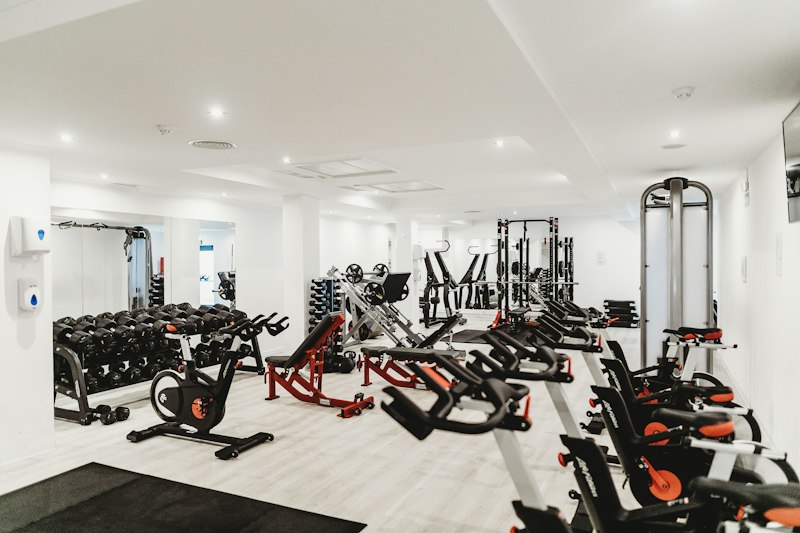
When you do want focused strength training or conditioning, the district hosts high-tier facilities seamlessly woven into the street grid. If you want a luxury wellness routine with high-end recovery, lap swimming, and tailored functional coaching, View Mandarin Oriental Fitness Center on Fitseeka → to see how elite urban amenities integrate into the neighborhood.
Intermodal Transit: The Walking Multiplier
Real walkability does not mean walking ten kilometers across town. It means a pedestrian network linked to mass transit. Every public transit trip begins and ends with walking.
Msheireb Station is the beating heart of the Doha Metro, serving as the central interchange for the Red, Green, and Gold Lines. You can commute from Al Wakrah, Lusail, or Education City straight into the city's urban core without a steering wheel. From the platform to your office desk or local cafe involves navigating escalators, concourses, and open-air colonnades—easily logging 2,500 to 4,000 steps before your workday even starts.
Compare that to parking your car 15 feet from the door of a strip-mall gym in Nuaija. The difference in cumulative cardiovascular health over a calendar year is massive.
Building a Downtown Conditioning Route
For runners and urban athletes bored of identical loops around the Corniche, Msheireb offers a clean, technical training playground. Early morning runners take advantage of the paved, low-friction granite streets before the district wakes up.
A solid 5K downtown route winds through the shaded perimeter, passes the heritage houses of Msheireb Museums, cuts across the broad open space of Barahat Msheireb, and hooks into the pedestrian crossings toward Souq Waqif and the Corniche waterfront. You get varied textures, short bursts of elevation via stairs and ramps, and clean sightlines free of turning SUVs.
If you prefer structured barbell work or athletic group conditioning to round out your movement, Doha offers heavy-hitting options nearby. For high-volume metabolic sessions, you can View Pulso Fitness on Fitseeka →, or head toward the dedicated sports hubs in Al Rayyan where you can View F45 Training Sports City on Fitseeka → for team-based functional intervals. Dedicated women looking for comprehensive indoor group classes and swimming facilities can also View Aspire Active Ladies on Fitseeka →.
The Verdict on Msheireb's Pedestrian Living
Msheireb Downtown Doha is not a gimmick. It is proof that thoughtful urban planning can break car dependence in the Gulf. It will not replace your dedicated strength work, but it does solve the sedentary deficit created by modern car culture. Spend an afternoon running errands on foot through its colonnades, and you will realize how effortless staying active can be when the city is built for human legs instead of automobiles.