Between late June and mid-September, stepping outdoors anywhere in Doha feels like getting hit in the face with a warm, wet blanket. When ambient temperatures hover around 45°C and the Persian Gulf pushes relative humidity past 70%, the body stops losing heat through evaporative sweating. The sweat pools on your skin, your core temperature spikes, and your cardiovascular system is forced to redirect massive amounts of oxygen-rich blood away from working muscles purely to keep your internal organs from cooking.
You cannot 'tough it out' along the Doha Corniche or push through a hard tempo run around Lusail Marina in the middle of a July afternoon. Doing so will not make you gritty; it will give you exertional heat illness. But summer in Qatar does not mean writing off your fitness until November. It requires understanding the real physiology of heat acclimation, shifting your high-intensity engine inside, and taking advantage of the air-conditioned facilities built specifically for this climate.
The Physiology of Heat: What Actually Works (and What Doesn’t)
Sports scientists at Aspetar Orthopaedic and Sports Medicine Hospital in Doha literally wrote the international consensus guidelines on training in extreme thermal environments. Their research makes one thing unequivocal: genuine heat acclimation changes your blood chemistry.
Within 7 to 14 days of controlled, progressive heat exposure, your body expands its blood plasma volume by up to 6–8%. This gives your heart more fluid to pump, keeping stroke volume stable and heart rates lower at high workloads. You also begin sweating earlier, produce a greater volume of sweat, and dump significantly less sodium through your skin. Crucially, studies show these adaptations improve aerobic performance not just in the heat, but when you return to cooler environments.
However, the key word is controlled. Trying to perform max-effort sprints, heavy Olympic lifting, or high-intensity intervals in 40°C-plus temperatures blunts your training stimulus because muscular power output plummets long before you hit cardiovascular targets. The formula used by endurance athletes and combat fighters based in the Gulf is straightforward: execute your hard, high-output sessions in climate-controlled environments, and use short, low-intensity outdoor exposures or post-workout saunas to trigger thermal adaptations safely.
The 5:00 AM Window: Running and Cycling Outdoors
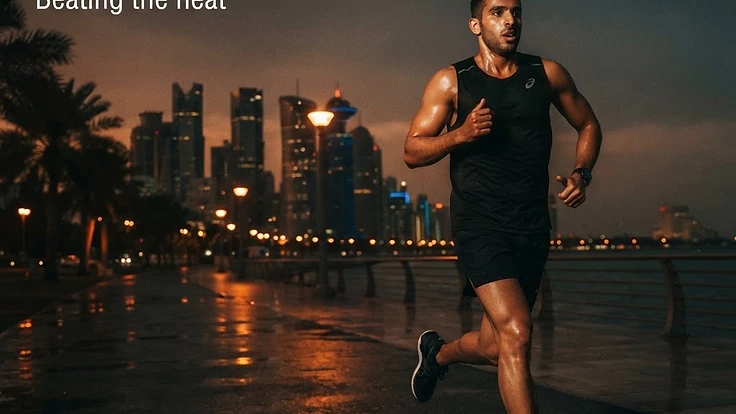
If you insist on logging miles outside, your only viable window runs from 4:30 AM to 6:00 AM, right as civil twilight breaks. Once the sun clears the skyline over West Bay, solar radiation turns tarmac and granite tiles into radiators.
- Education City: The shaded running circuits and green areas around Oxygen Park offer slightly cooler ground temperatures than raw asphalt. The park's terrain and structural canopy block direct wind blast and reduce thermal load.
- Olympic Cycling Track: If you are clocking distance on the bike, head to the track alongside Al Khor Road before sunrise. Carry double the hydration you think you need, and front-load with sodium tablets; standard plain water will dilute your plasma sodium and induce early cramping.
- The Pearl-Qatar: If running around Porto Arabia or Qanat Quartier, keep the effort strictly in Zone 2. Watch your heart rate monitor: at the same 5:30/km pace you held in January, your heart rate will run 15 to 25 beats per minute higher in the July soup. Adjust by effort, not by the clock.
Bring the High-Output Engine Indoors
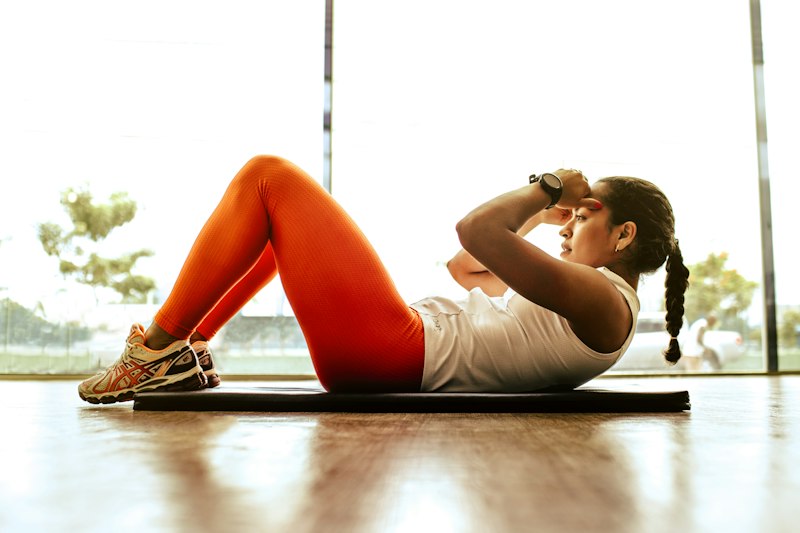
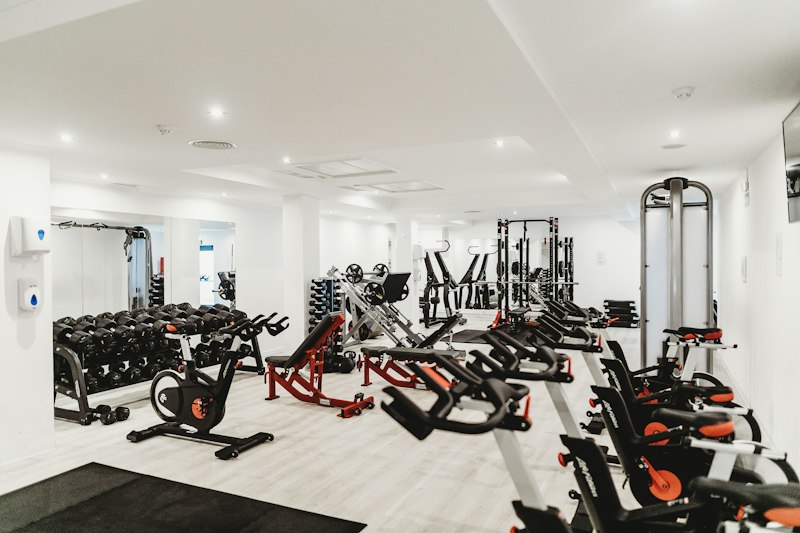
When you need to redline your engine, Doha's indoor facilities are among the best equipped in the world. Instead of letting high ambient heat bottleneck your power output, summer is the time to build pure strength, refine movement patterns, and execute high-power conditioning in full air conditioning.
If you are looking to grind through hard functional intervals or prep for event seasons like Hyrox, move into dedicated athletic facilities that maintain proper indoor airflow and ambient climate. For structured conditioning and functional power blocks, View Pulso Fitness on Fitseeka → to see their strength, Hyrox, and conditioning schedules.
For structured group circuits where pacing is dictated by the clock and coaches keep your output honest under chilled air, head toward Aspire Zone. Check out View F45 Training Sports City on Fitseeka → for high-cadence functional team training that keeps your VO2 capacity elevated without roasting your lungs in Qatar's midday humidity.
Hybrid Tactics: West Bay and Msheireb
Doha's urban core offers distinct architectural advantages if you plan your day smartly. Msheireb Downtown Doha was engineered with passive cooling principles: tightly clustered buildings that channel sea breezes, shaded colonnades, and chilled airflow systems that make early evening walking or light recovery movement possible when other open plazas are uninhabitable.
In West Bay, intense hybrid facilities provide the climate control you need for full-throttle strength training, Olympic weightlifting, and mobility work. When you want serious training density—combining heavy barbells, functional conditioning, and low-impact recovery work under one roof—View Ox Fitness Lab on Fitseeka →.
For those who need active recovery, low-impact conditioning, and access to lap lanes where water temperatures are properly chilled rather than feeling like a warm bath, View Mandarin Oriental Fitness Center on Fitseeka → in Msheireb Downtown.
The Summer Hydration Protocol for Qatar
Drinking plain tap water or desalted bottled water while sweating heavily in Doha is an express route to hyponatremia, muscle spasms, and brain fog. You do not just lose water; you dump sodium, potassium, and magnesium at rapid rates.
- Pre-load sodium: Consume 500–1000mg of elemental sodium in 500ml of water 60 to 90 minutes before any outdoor activity or heavy indoor session.
- Monitor fluid loss: Weigh yourself naked before and after your workouts. Every kilogram of weight lost equals roughly one litre of water sweat. Replace 125% to 150% of that weight loss over the following two to four hours with electrolyte-dense fluids.
- Watch the indoor AC trap: Constant exposure to dehumidified air conditioning dries out mucus membranes and reduces your thirst sensation. By the time you notice dry mouth while sitting in your West Bay office, you are already down 1–2% of your body weight in fluid.
Stop Fighting the Thermometer
Doha’s summer is unforgiving, but it does not have to stall your progress. Shift your high-output conditioning, heavy lifting, and redline cardio indoors to well-ventilated gyms. Use the early dawn hours for disciplined, low-heart-rate base building. Balance your sweat with actual electrolytes instead of plain bottled water, and let passive heat acclimation work for you in controlled doses. Come October, when the rest of the city steps back outside gasping for air, you will be flying.