A decade ago, commercial fitness in Doha fell into two predictable buckets: uninspiring hotel basements charging exorbitant day rates to corporate business travelers, and dimly lit, iron-heavy neighbourhood spit-and-sawdust gyms tucked away behind strip malls in Najma or Bin Mahmoud. If you wanted specialized functional coaching, dedicated boutique boxing, or a women-only strength facility that didn't feel like an afterthought, your options were practically non-existent.
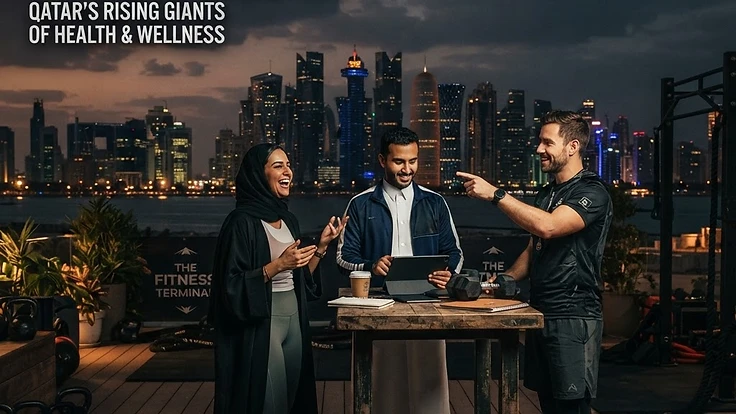
That landscape is completely gone. Today, Doha’s fitness economy has evolved into a sophisticated, highly competitive market valued at hundreds of millions of dollars. Driven by national preventive health initiatives, an expanding base of active expats and Qatari nationals, and a growing appetite for lifestyle-driven training, a new generation of fitness founders is actively reshaping how the city moves.
Yet launching a fitness venture in Qatar remains one of the trickiest commercial balancing acts in the Gulf. High commercial rents, strict zoning regulations, intense seasonal summer slumps, and nuanced cultural requirements create a demanding proving ground. Here is a look at the operators and models driving Doha's fitness evolution—and how local entrepreneurs navigate the unique realities of Qatar.
The Boutique Revolution and Experiential Training
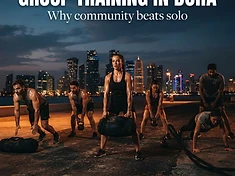
The global shift toward community-centric boutique fitness hit Doha with real force over the last eight years. Founders quickly realized that clients in master-planned districts like The Pearl-Qatar, Lusail, and Msheireb Downtown were no longer satisfied with rows of anonymous treadmills. They wanted identity, high coaching standards, and tailored environments.
Early pioneers recognized that building an authentic community required separating specialized movement disciplines from the standard open-gym floor. In waterfront developments like Qanat Quartier, concepts like Gymmito Fitness Club (The Pearl) emerged to bridge high-end European design standards with functional strength, boxing, and yoga, tailoring spaces specifically to residents who want a club culture within walking distance of their front door.
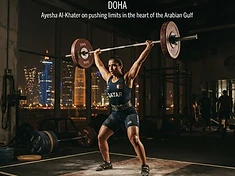
As urban development pushed northward into Lusail's Marina and Fox Hills districts, operators duplicated and scaled these models. Venues such as Gymmito Fitness Club (Lusail) expanded the playbook by integrating dedicated MMA cages, Olympic lifting platforms, and functional arenas alongside traditional bodybuilding zones. In Qatar's newest smart city, the modern fitness entrepreneur does not just sell access to weights—they curate high-retention athletic hubs.
Navigating Qatar’s Operational Realities
Building a fitness facility in Doha comes with market realities you do not encounter in North America or Western Europe. Entrepreneurs who ignore the local operating playbook rarely survive their first commercial lease cycle.
- The Dual Facility Requirement: In Qatar, family sections, men's hours, and standalone, fully private women’s facilities are essential. Founders who design spaces without considering private acoustic screening, dedicated female staffing, and separate entrances instantly lock themselves out of major demographic segments.
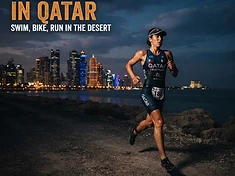
- Seasonal Heat Cycles: From mid-May to October, outdoor training on the Corniche, Aspire Park, or Oxygen Park becomes physically impossible for regular workouts. Gyms experience massive indoor density spikes during these months, requiring HVAC systems engineered for extreme loads and programming that replaces outdoor endurance sessions with indoor HYROX or ergs.
- Commercial Real Estate Costs: High square-meter fit-out rates in West Bay or Msheireb demand ruthless floor-plan efficiency. Smart gym owners prioritize functional multi-use turf and modular rack systems over single-use, bulky machinery.
- Complex Licensing: Securing a commercial fitness license involves multiple municipal sign-offs, civil defense inspections, and Ministry of Commerce clearances before doors open.
The Neighbourhood Powerhouses
While glamorous luxury clubs in The Pearl capture social media attention, a quieter, highly profitable segment of fitness entrepreneurs operates across Doha's core residential districts like Madinat Khalifa, Al Hilal, Al Wakrah, and Al Gharrafa.
These facilities focus purely on coaching fundamentals, serious strength culture, and everyday accessibility. Operators running neighbourhood strongholds such as 365 Fitness Gym (Madinat Khalifa) succeed because they focus on what lifters actually value: calibrated plates, heavy dumbbells, functional turf, and accessible coaching without luxury markups.
Similarly, spaces like Fitbizz Fitness Gym cater directly to dedicated bodybuilding and personal training demographics who want serious results without the scene. By keeping overhead manageable outside the high-rent coastal enclaves, these neighbourhood operators maintain resilient, year-round membership retention that resists seasonal expat departures.
Tech and Aggregation: The New Digital Operators
Bricks-and-mortar gyms are not the only enterprises thriving. Sports tech entrepreneurs in Doha have cracked open new revenue streams through multi-venue aggregation models. Local startups like Classtap recognized that modern trainees resist tying themselves to a single annual contract. By letting users book boxing in West Bay on Monday, Pilates in Lusail on Wednesday, and open gym in Madinat Khalifa on Saturday via a single mobile credit system, tech founders opened an essential customer acquisition channel for independent gym owners.
This hybrid ecosystem—where tech platforms fill empty off-peak class slots and gym operators gain diversified marketing—has turned what was once a cutthroat industry into an interdependent network.
The Next Wave: Recovery and Longevity
The frontier for Doha’s fitness entrepreneurs has already shifted beyond standard sets and reps. As international giants establish large-scale social wellness clubs in Msheireb and elite hospitality facilities push boundaries around Aspire Zone, independent owners are rapidly integrating longevity services.
Contrast therapy suites, ice baths, infrared saunas, and targeted sports physio are no longer reserved for national athletes at Aspetar. Local gym founders are actively retrofitting their spaces into complete restorative ecosystems. The message from Doha's training public is clear: fitness is no longer an isolated hour of sweat; it is an enduring lifestyle standard.
The Bottom Line
Building a successful fitness brand in Doha is not a vanity project. It requires navigating strict municipal hurdles, mastering demographic segmentation, and delivering genuine training value day after day. The operators thriving across Qatar today understand that flashy interior design only gets someone through the door once. What keeps them coming back through summer heatwaves and work weeks is expert coaching, well-chosen equipment, and a room that feels like home.