The Rise of Qatar's Multisport Scene
Triathlon was once considered an outlier sport in the Arabian Gulf. A multi-discipline endurance race in a desert peninsula sounded counterintuitive to anyone looking at July thermometer readings. Yet over the past decade, endurance sports in Doha have exploded. Powered by world-class infrastructure, purpose-built coastal paths, and an energetic expat and local racing community, triathlon has cemented itself as one of the country’s most popular winter pursuits.
The focal point of that shift is unmistakable. The Qatar Cycling & Triathlon Federation (QCTF) runs a domestic race series that sells out quickly, from open-water races at Doha Sands to sprint stages along the vibrant waterfront of Old Doha Port. Globally, Qatar made an undeniable statement by securing a multi-year deal with the Professional Triathletes Organisation to host the T100 Triathlon World Championship Final in Lusail. What was once a niche hobby for a handful of weekend warriors is now a headline sport.
The Calendar Dictates Everything
Training for a triathlon anywhere else on earth revolves around standard seasonal milestones. In Doha, the calendar is ruled by climate. You do not fight the desert summer; you work around it.
The racing sweet spot runs from late October through early April. During these months, ambient air temperatures sit between 15°C and 25°C, humidity drops, and the Arabian Gulf settles into a crisp, forgiving 23°C to 26°C. Race weekends in November and December offer some of the fastest, flattest conditions anywhere on the global circuit. Conversely, from May to September, long outdoor rides and open-water sea swims become non-starters due to heat stress and bathwater sea temperatures. Summer is when Doha triathletes shift indoors, grinding through structured turbo trainer intervals and pool laps before reclaiming the tarmac at dawn when autumn returns.
The Swim: Navigating Arabian Gulf Water
Qatar’s open-water swimming offers clear, calm conditions, but it comes with unique variables. The Gulf has significantly higher salinity than open oceans, giving swimmers extra natural buoyancy. Most winter sprint and standard races—whether staged off Lusail Marina, Katara Beach, or Old Doha Port—feature flat water free of breaking ocean surf.
However, race day isn't the place to figure out your bilateral breathing or sighting technique. Solid pool volume during the week is non-negotiable. Triathletes working in West Bay frequently log laps and technical conditioning early mornings at hotel pools and waterfront health clubs. For private lap sessions right on the edge of the bay, View Sheraton Fitness on Fitseeka → to build your swim baseline without fighting public lane traffic.
If you are training in the central city or closer to Old Salata and the Corniche, accessible pool access paired with cardio machinery makes morning brick sessions workable before the office rush. Athletes in the downtown core often build their functional strength routines around venues like View Mövenpick Hotel Doha Fitness Centre on Fitseeka → to combine lane swimming and indoor running.
The Bike: Chasing Clean Tarmac
Cycling in Doha is defined by two things: impeccable asphalt and relentless, exposed wind. There are virtually no climbs in Qatar’s primary race circuits. The challenge lies in sustaining constant, unbroken power against head-on desert crosswinds without the respite of a downhill coast.
For structured outdoor weekend mileage, you will rarely see serious triathletes mixing with city traffic on West Bay roundabouts. Instead, the local scene congregates in dedicated spaces:
- Olympic Cycling Track: The 33-kilometre, car-free continuous track running parallel to the Al Khor Road is Qatar’s crown jewel for cycling. It lets athletes sit in aerodynamic time-trial tucks for hours without stopping at a single traffic signal.
- Lusail Marina: Flat, sweeping urban circuits with wide turns make Lusail ideal for technical bike-handling practice and interval efforts.
- Al Rayyan and Aspire circuits: Safe, well-lit running and cycling loops for mid-distance conditioning.
For athletes based on the west side of the capital, pairing long outdoor rides with structured strength workouts is essential to protect knees and hips from overuse injuries. If you are based near Al Rayyan, View Warwick Doha Fitness Centre on Fitseeka → for a gym that covers functional training alongside strength and cardio.
The Run: Pacing Flat Asphalt
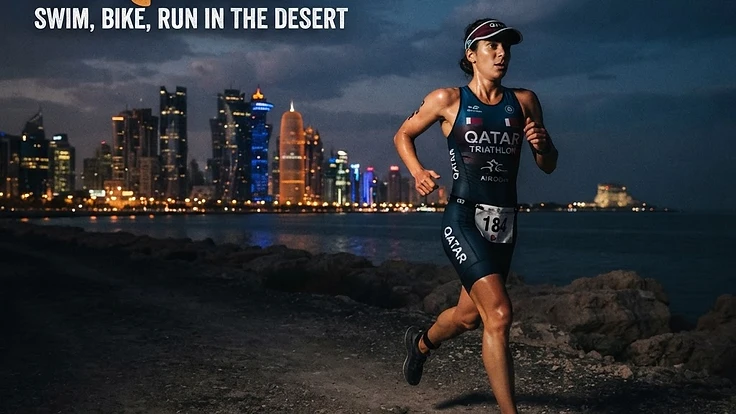
The third leg of a desert triathlon looks deceptively easy on paper. Courses around Lusail Promenade, The Pearl-Qatar, or the Doha Corniche are pancake-flat. But a dead-flat course is punishing in its own way: you work the exact same muscle groups across every single stride, with zero downhill recovery.
Pacing discipline is critical. A cool 18°C start at 6:30 AM can easily climb to a dehydrating 26°C under blinding sun by the time you leave Transition 2. Hydration planning, electrolyte management, and sun protection aren't optional extras—they dictate whether you run your target splits or walk the final 5 kilometres.
Athletes looking for soft-surface training to save their joints during peak mileage blocks head to Aspire Zone, where cushioned running trails encircle the parklands. To cross-train with sports-science-backed weight training right in the middle of Qatar’s premier sports hub, View The Torch Doha Fitness Centre on Fitseeka →.
Community, Clubs, and Stepping Up
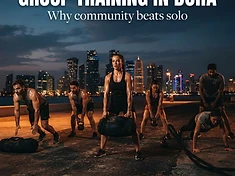
Triathlon can be an isolating sport if you try to tackle all three sports in a vacuum. Qatar’s endurance growth is driven largely by active community groups such as the Doha Tri Club and local cycling groups that organise dawn pack rides, track evenings, and transition clinics.
Whether you are targeting an entry-level sprint event at Old Doha Port or aiming for the grueling 100-kilometre distance of the PTO T100, Doha offers the tarmac, the calm sea, and the community to make it happen. Dial in your training calendar, respect the desert sun, and commit to the process.