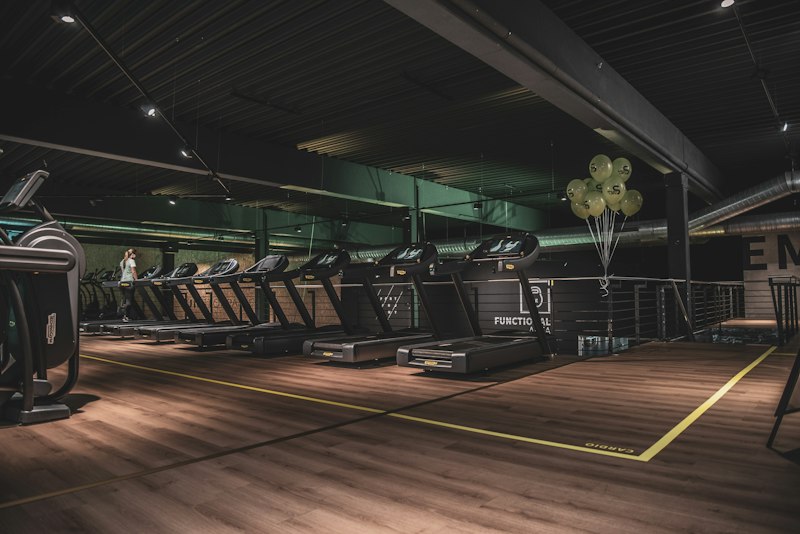

A decade ago, the standard narrative around women's exercise in Doha was bleak. The municipal crackdowns on mixed training in commercial gyms meant women were frequently pushed into windowless, secondary backrooms with a row of elliptical machines and pink vinyl dumbbells. If you wanted serious athletic conditioning, you had to hunt down hotel leisure clubs or cobble together sessions at home before the summer heat crossed forty degrees.
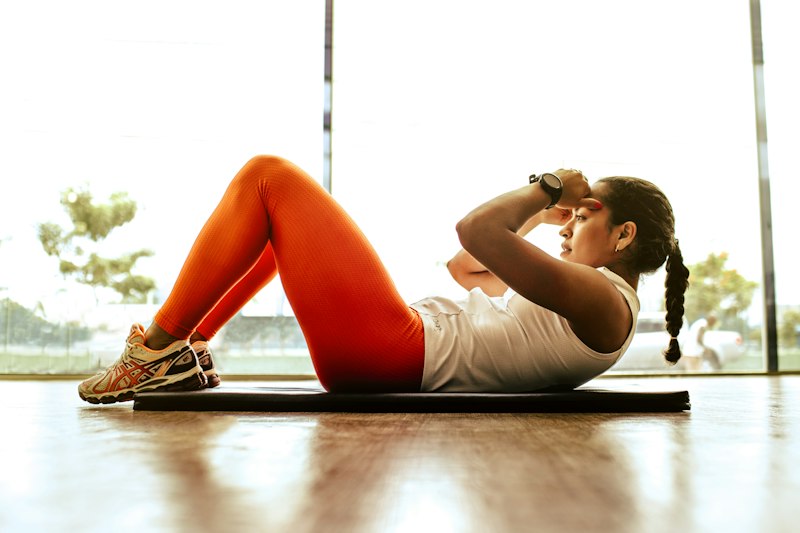
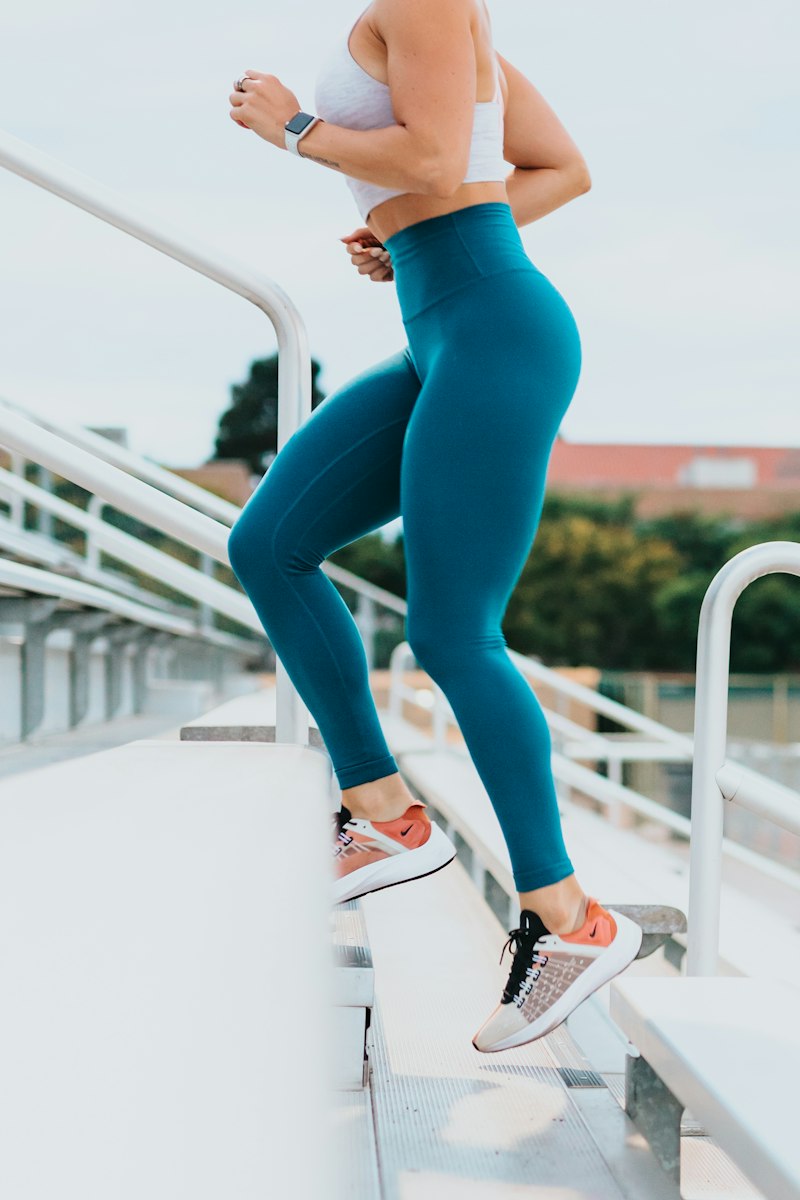
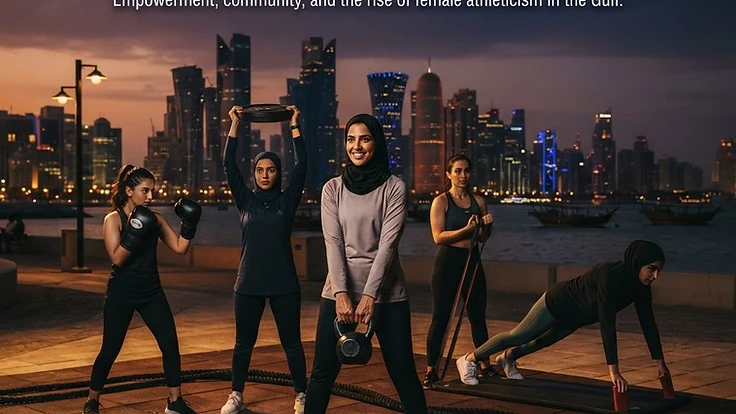
That era is over. Walk into any serious women's facility from Lusail Marina to Al Rayyan today, and the conversation is completely different. Doha's female training community is not obsessing over burning off Friday brunch at The Pearl or chasing arbitrary numbers on a bathroom scale. Instead, a determined network of female coaches, gym owners, and competitive athletes is prioritizing barbell mechanics, conditioning capacity, and sustainable longevity. Women in Qatar are lifting heavy, competing in Hyrox, and demanding high-level coaching.
The Shift: From Weight Loss Seclusion to High-Performance Space
For decades across the Gulf, women’s fitness was marketed with an apologetic tone—focused almost exclusively on weight loss, slimming, and low-impact circuits. But cultural attitudes have pivoted sharply. The demand now is for legitimate athletic infrastructure: calibrated plates, Olympic lifting platforms, turf tracks, and structured periodization.
This shift isn't about tossing aside privacy; it is about refusing to let privacy compromise quality. Qatari women and long-term expatriates want uncompromised, world-class athletic facilities where they can train aggressively without distraction. One of the institutions that set the benchmark for this scale is View Aspire Active Ladies on Fitseeka →. Operating out of the Aspire Zone in Al Rayyan, Aspire Active showed that women-only training could be massive, systematic, and serious—integrating indoor swimming lanes, advanced group programming, and clinical fitness diagnostics under one roof.
The Coaches Changing the Game on the Turf
The real engine of Doha’s fitness scene is the ground-level coaching talent. Independent female trainers across West Bay, Msheireb Downtown, and The Pearl have moved clients away from mindless treadmill slogs and toward measurable progression.
Coaches working across the city's boutique studios emphasize progressive overload, compound lifts, and joint integrity over punishing, sweat-for-the-sake-of-sweat routines. Rather than selling forty-five minutes of burpees to exhaust someone, reputable coaches in Doha are teaching hip hinges, pull-up progressions, and kettlebell clean techniques. The focus is functional autonomy: building a body capable of handling long workdays in West Bay offices, keeping up with active kids, and resisting the metabolic risks associated with sedentary, indoor-heavy Gulf lifestyles.
Women-only gyms across the city have leveled up their hiring standards accordingly. Facilities like View Mactive Ladies Fitness on Fitseeka → have leaned into CrossFit modalities, Olympic lifting, and performance conditioning, proving that women outside the central Doha core want access to the exact same rigorous, high-threshold training systems as anyone else.
Hyrox and Functional Training Take Over
If you need proof that Doha's female lifters are looking for a test, look at the explosive growth of functional fitness and race simulations across the country. Qatar’s endurance and strength athletes are no longer satisfied simply logging miles along the Corniche during the winter months; they are training for competitive formats that demand serious work capacity.
Spaces like View Pulso Fitness on Fitseeka → reflect this exact transition. By integrating structured Hyrox training, functional hypertrophy, and targeted strength work into their schedules, these spaces cater to women who treat their training as an athletic pursuit rather than a chore. Sled pushes, wall balls, and skierg intervals have largely replaced the low-intensity aerobics classes of the early 2000s. Women are showing up with lifting grips, heart rate monitors, and structured training splits, aiming for personal records rather than passive calorie burns.
Elevated Recovery and Longevity
Training hard in Doha requires taking environment and recovery seriously. When summer arrives and daytime humidity makes outdoor recreation impossible, indoor volume goes through the roof. If you are loading the spine three to four days a week under heavy air conditioning, deliberate recovery is non-negotiable.
The female fitness community in Doha has pioneered the integration of serious sports recovery into standard training blocks. Facilities like the View Mandarin Oriental Fitness Center on Fitseeka → in Msheireb Downtown cater to this demand by blending targeted personal strength training with clinical-grade wellness, contrast therapy, and dedicated movement spaces. Recovery is no longer treated as an occasional spa indulgence; it is recognized as the structural foundation that lets women maintain high training outputs year after year.
Navigating the Realities of Training in Doha
Executing a high-performance routine in Qatar still requires deliberate navigation. For women building a training plan here, a few practical realities apply:
- Vet the credentials, not the Instagram feed: Doha has no shortage of aesthetic fitness accounts. Ignore glossy video edits and ask prospective trainers directly about their certifications, experience with progressive barbell programming, and how they manage bio-mechanic limitations.
- Bridge the seasonal gap: November through March allows for hill sprints at Oxygen Park in Education City or interval runs along Lusail Promenade. From May through October, your training must shift indoors entirely without dropping progressive intensity.
- Prioritize strength over fatigue: If your trainer leaves you trembling on the floor every single session without tracking the weight on your bar, find another trainer. Fatigue is easy to produce; adaptation takes actual coaching.
The women transforming Doha's fitness culture didn't wait for permission or settle for the sidelines. They demanded better rigs, higher standards, and coaching that respects their athletic capability. The result is a stronger, sharper community of lifters and athletes reshaping the city from the ground up.