
The Cost of Guesswork in the Gym
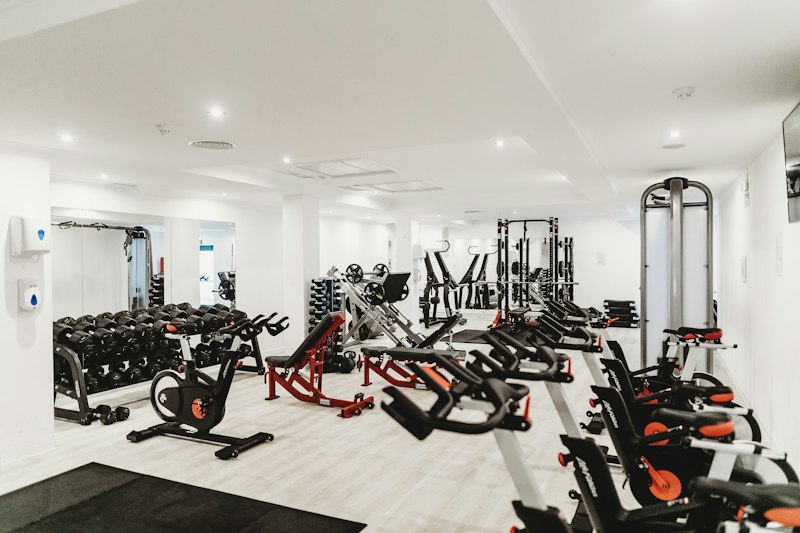
Walk into any gym floor in West Bay, Lusail, or The Pearl at 7:00 PM on a weekday, and you will see the same pattern. Dedicated people show up, grab a pair of dumbbells, complete three sets of chest presses, and leave feeling exhausted. Yet six months later, they are lifting the exact same weight, running the exact same pace, and wondering why their physique and conditioning have hit a wall.
The issue is rarely effort. It is almost always guesswork. When you rely on memory, you misjudge your baseline. You forget whether you benched 60 kg or 62.5 kg last Tuesday. You do not remember if you hit eight reps or ten before failure. Your brain is notoriously poor at quantifying physical stress retrospectively, especially when you are balancing demanding work hours, Doha traffic, and inconsistent sleep schedules.
If you want physical adaptations, your body requires progressive stimulus. Without a written or digital record of what you did in your previous session, you cannot guarantee that you are moving forward.
The Principle of Progressive Overload
Strength and cardiovascular fitness develop according to a physiological principle known as progressive overload. To force an adaptation—whether that means building muscle, improving bone density, or driving up your VO2 max—you must subject the body to a gradual increase in stress over time.
You can achieve this in several distinct ways:
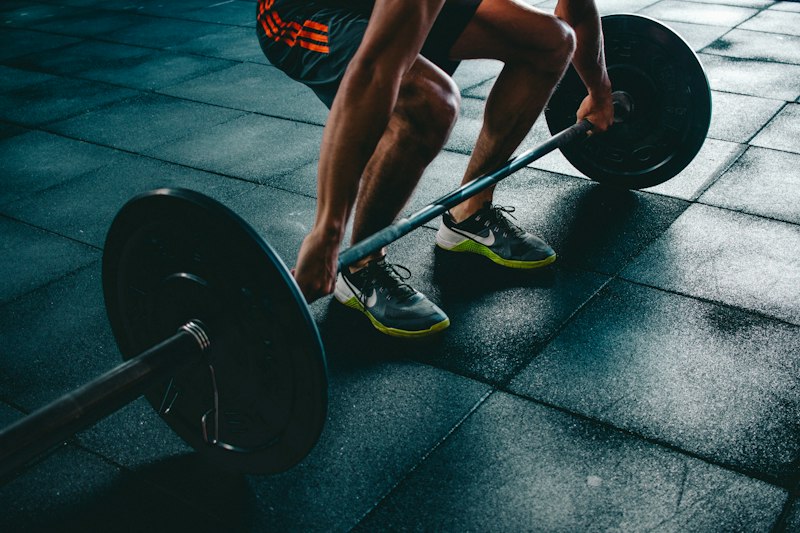
- Increasing the load: Adding 1.25 kg or 2.5 kg to the barbell.
- Increasing the volume: Performing an extra repetition per set or adding another working set.
- Improving mechanical efficiency: Completing the same weight and reps with stricter form and controlled tempo.
- Manipulating recovery: Shortening rest intervals between sets from 90 seconds down to 60 seconds without losing output.
None of these variables can be managed if they are not recorded. A training journal turns exercise from random exertion into a managed stimulus. If you train at facilities dedicated to structured programming, such as View Anytime Fitness Solihull on Fitseeka →, logging your working sets ensures that every session builds systematically on the last.
What You Actually Need to Track
Do not overcomplicate your logging system. You do not need to note down every heartbeat or micro-metric from day one. In fact, people who try to track twenty different variables usually abandon their logs within two weeks. Strip your tracking down to the data points that directly dictate progression.
For strength and resistance training, record:
- Exercise name and variation: Be precise. Note "Romanian deadlift from floor" rather than just "deadlift."
- Working load: The weight lifted per set, in kilograms.
- Repetitions completed: Only log clean, completed reps with proper range of motion.
- Rate of Perceived Exertion (RPE): A simple 1-to-10 scale of how close you were to muscular failure. An RPE of 8 means you had two clean reps left in reserve.
For conditioning, whether you are running intervals inside at an air-conditioned facility like View PureGym Birmingham Arcadian Centre on Fitseeka → or logging distance on the outdoor track at Aspire Zone, track total duration, split times, and average heart rate. These numbers provide the objective feedback you need to calibrate your pacing.
Managing the Doha Climate and Seasonal Shifts
Living and training in Qatar brings environmental realities that make tracking non-negotiable. Between May and September, ambient temperatures regularly cross 45°C with severe humidity. Outdoor running along the Corniche, sprint drills in Education City, or functional bootcamps at Crescent Park in Lusail must shift indoors or adjust drastically in intensity.
When you log your workouts alongside contextual environmental notes, you gain insight into how heat affects your baseline. A 5 km run completed in August at 8:00 PM along the Lusail Marina will yield a significantly higher heart rate and slower pace than the same effort logged in January at Al Bidda Park. Without notes on conditions, you might assume you have lost fitness, when in reality your cardiovascular system was simply handling thermoregulation demands.
Tracking also helps you navigate transitional periods—such as the shift to Ramadan training hours or returning to high-volume routines after summer holidays abroad. Logging your loads allows you to methodically ramp back up over three to four weeks instead of shocking your tendons with weights your memory told you that you could handle.
How Tracking Prevents Overtraining and Injuries
Tracking is as much about knowing when to back off as it is about pushing harder. Connective tissue, joint capsules, and the central nervous system recover at different rates than skeletal muscle. When you log your sessions, patterns emerge before injuries happen.
If you record your training weights and note that your bench press has stalled for three straight weeks while your elbow joints feel persistently sore, your log has identified a problem. You do not need more grit; you need a scheduled deload or a change in movement variation. Gym environments focused on high-intensity output, like View Energie Fitness Solihull on Fitseeka →, require trainees to be deliberate with their work capacity to avoid systemic fatigue.
Moreover, keeping track of your session volume allows you to match your training with other recovery variables, such as hydration levels during high-humidity weeks or changes in sleep quality. It replaces emotion with empirical data.
Apps vs. Notebooks: Choosing Your System
The best tracking method is simply the one you will open and update between sets. Both digital apps and physical notebooks have practical advantages on the gym floor.
A dedicated fitness notebook requires zero battery, does not distract you with message notifications while resting between sets, and offers an immediate visual scan of your past month of work. On the other hand, mobile apps automatically calculate total tonnage (sets × reps × weight) and graph your progress over time without manual math.
If you prefer digital logging, choose an app that lets you log custom exercises and write quick notes regarding machine settings. Different gyms—whether a boutique studio in Msheireb Downtown or a large-scale fitness centre like View PureGym Birmingham Snow Hill Plaza on Fitseeka →—feature different pin-loaded cable ratios and lever angles. Noting "Seat height 4, Cable stack 12" ensures consistent resistance every time you walk up to a machine.
Stop Exercising, Start Training
Exercise is simply burning calories for the sake of movement. It has its place, but it does not guarantee long-term progression. Training, by definition, is systematic work directed toward a specific physiological goal.
If you invest four to six hours every week sweating on gym floors across Qatar, stop leaving your results to chance. Open a logbook or download an app before your next session. Write down the numbers, beat them by one rep next week, and let the data drive your progress.